Modern consumers expect a memorable shopping experience that reflects quality, exclusivity, and trust. This is where professional jewelry store design becomes one of the most powerful investments for jewelry retailers.
A thoughtfully designed jewelry store does far more than display products. It guides customer movement, highlights premium collections, reinforces brand identity, and ultimately influences purchasing decisions.
Whether you're opening a new jewelry boutique or renovating an existing store, understanding the principles behind effective jewelry retail design can significantly improve your business performance.
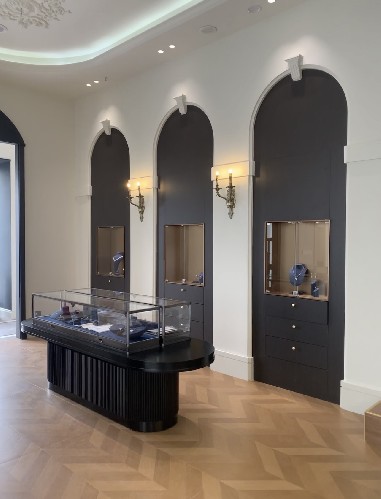
The appearance of a jewelry store directly influences how customers perceive the value of the products inside.
Research in retail psychology consistently shows that shoppers form their first impression within just a few seconds of entering a store. During this brief moment, customers subconsciously evaluate factors such as
cleanliness, lighting, organization, and overall atmosphere before deciding whether they feel comfortable exploring further.
Luxury jewelry requires an environment that communicates elegance, craftsmanship, and exclusivity. Even high-quality jewelry may appear less valuable if displayed in outdated or poorly designed showcases.
Before selecting showcases, lighting, or decoration, define the personality of your brand.
Ask yourself:
Are you targeting luxury consumers?
Do you specialize in bridal jewelry?
Are your collections modern or traditional?
What emotions should customers experience when entering your store?
Every design decision should reinforce these answers.
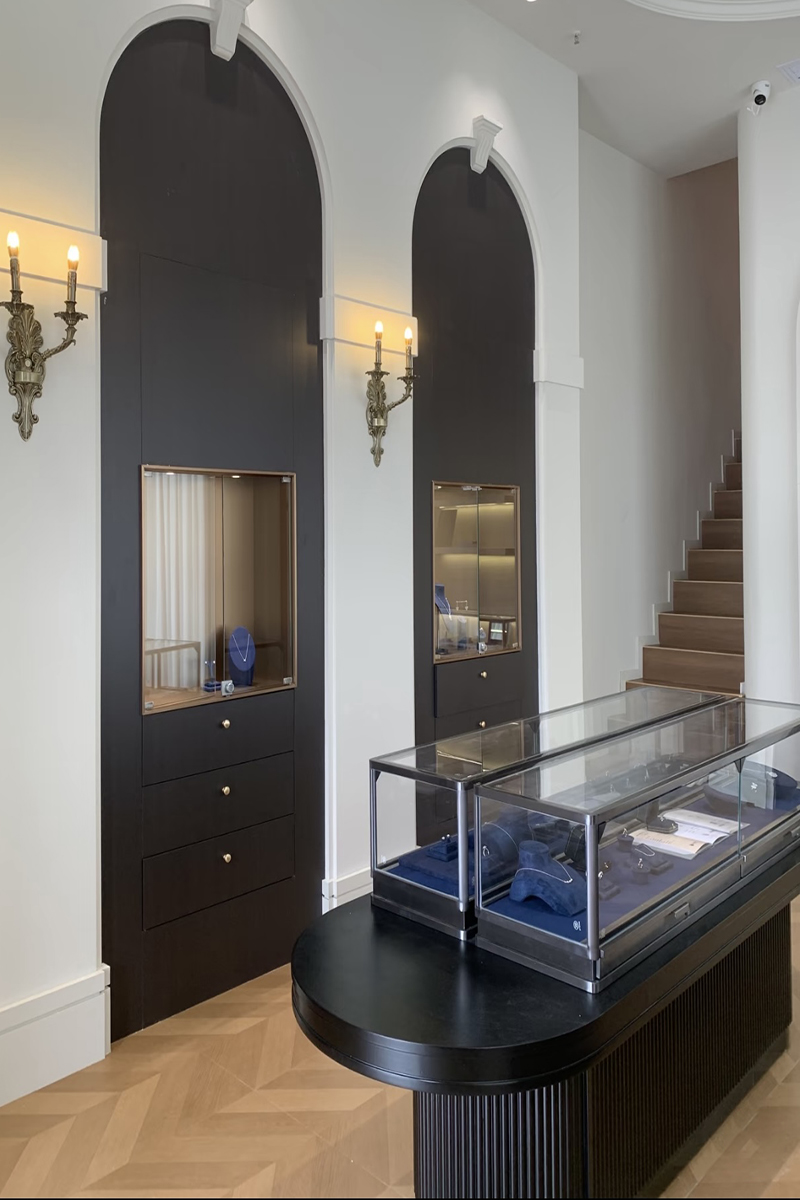
A successful jewelry store layout balances aesthetics with functionality.
Customers should naturally move through the store without feeling crowded or confused.
Divides collections into dedicated display zones, making it easier for customers to explore different product categories.
Regardless of the chosen layout, walkways should remain comfortable and unobstructed. Premium products deserve enough surrounding space to capture customer attention.
Jewelry showcases serve as both protective storage and silent salespeople.
Well-designed showcases help customers focus on the beauty of each item while maintaining security.
Important considerations include:
Glass Quality
Ultra-clear tempered glass minimizes reflection and provides maximum visibility.
Lighting Integration
Integrated LED lighting highlights diamonds, gemstones, and precious metals without generating excessive heat.
Viewing Angles
Customers should comfortably view products from multiple positions.
Display Height
Proper ergonomic height encourages interaction while reducing staff fatigue.
Material Selection
Premium materials such as stainless steel, engineered stone, leather, wood veneer, and decorative metal finishes contribute to a luxurious appearance.
Custom showcases also ensure every display complements the store's architectural style.
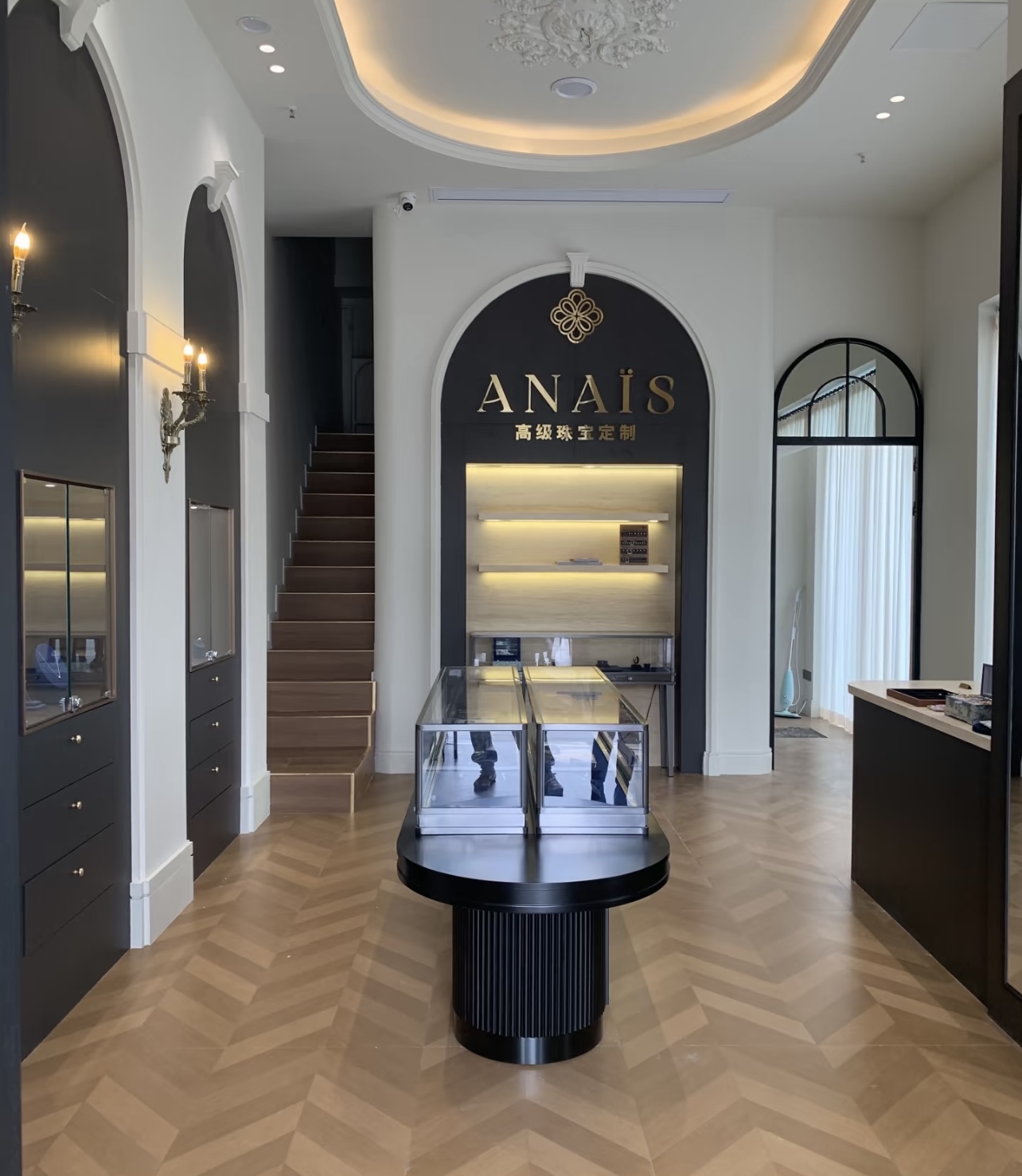
It results from thoughtful planning, customer-focused layouts, premium materials, strategic lighting, and custom display solutions working together to create an unforgettable shopping experience.
As consumer expectations continue to evolve, retailers who invest in professional store environments will be better positioned to attract customers, strengthen brand loyalty, and increase sales.
The most successful jewelry stores do more than showcase products—they create destinations where customers enjoy discovering timeless pieces and memorable experiences.

Phone : +86 134 8079 0851
E-mail : michelle@myshinegroup.com
Skype : myshinedisplay


